Crystal Corporation India

user

Plastic Recycling Industry

The plastic recycling industry plays a crucial role in addressing environmental challenges while supporting sustainable manufacturing. As global demand for plastic continues to rise, recycling has become an essential solution to reduce waste, conserve resources, and promote a circular economy. What is the plastic recycling industry? The plastic recycling industry involves the collection, processing, and conversion of plastic waste into reusable materials such as recycled plastic granules. These granules can then be used to manufacture new products, reducing the need for virgin plastic. How Does Plastic Recycling Work? The recycling process typically involves the following steps: Collection: Gathering plastic waste from households, industries, and commercial sources Sorting: Separating plastics based on type and quality Cleaning: Removing contaminants like labels, dirt, and residues Shredding: Breaking plastic into smaller pieces Melting & Reprocessing: Converting shredded plastic into granules Importance of the Plastic Recycling Industry 1. Environmental Protection Recycling helps reduce plastic waste in landfills and oceans, minimizing pollution and protecting ecosystems. 2. Conservation of Resources It reduces the need for raw materials like petroleum, preserving natural resources. 3. Energy Savings Recycling plastic consumes significantly less energy compared to producing virgin plastic. 4. Waste Management Improvement It supports efficient waste handling and reduces the burden on landfills. 5. Economic Opportunities The industry creates jobs and supports businesses involved in collection, processing, and manufacturing. Applications of Recycled Plastic Recycled plastic is widely used in: Packaging materials Construction products Automotive components Furniture Industrial containers Challenges in the Industry Despite its benefits, the plastic recycling industry faces several challenges: Inconsistent waste segregation Quality variations in recycled materials Limited awareness and infrastructure High processing costs in some cases Future of Plastic Recycling With growing environmental awareness and stricter regulations, the future of the plastic recycling industry looks promising. Innovations in recycling technologies and increased adoption of sustainable practices are expected to drive growth and efficiency.

Plastic Recycling Industry Read More »

Applications of PP Granules

Polypropylene (PP) granules are one of the most widely used thermoplastics in the manufacturing industry. Known for their strength, flexibility, and resistance to heat and chemicals, PP granules play a vital role in producing a diverse range of products across multiple sectors. What Makes PP Granules So Versatile? PP granules offer a unique combination of properties that make them suitable for various applications: Lightweight yet strong High chemical resistance Excellent fatigue resistance Good thermal stability Cost-effective for mass production These characteristics make PP a preferred choice for manufacturers worldwide. Key Applications of PP Granules 1. Packaging Industry PP granules are extensively used in packaging due to their durability and resistance to moisture. Food containers Bottle caps Storage boxes Flexible packaging materials 2. Automotive Components The automotive sector relies heavily on PP for lightweight and durable parts. Bumpers Dashboards Interior trims Battery cases PP helps reduce vehicle weight, improving fuel efficiency and performance. 3. Furniture Manufacturing PP is widely used in the production of plastic furniture due to its strength and aesthetic finish. Chairs and tables Storage units Modular furniture 4. Household Products Many everyday items are made using PP granules. Buckets and containers Kitchenware Appliances components 5. Medical Applications PP is used in the medical field because of its non-toxic and sterilizable nature. Syringes Medical trays Laboratory equipment 6. Textile and Woven Products PP is commonly used in fiber and fabric applications. Woven sacks Carpets and mats Ropes and fibers 7. Industrial Applications PP granules are used in various industrial components due to their durability and resistance. Pipes and fittings Chemical tanks Industrial containers Why Industries Prefer PP Granules Cost Efficiency: Affordable for large-scale production Durability: Long-lasting and resistant to wear Recyclability: Supports sustainable manufacturing Ease of Processing: Suitable for multiple molding techniques

Applications of PP Granules Read More »

Benefits of Recycled Plastic Granules

With increasing focus on sustainability and cost efficiency, recycled plastic granules have become a preferred choice across many industries. They offer a practical solution that balances performance, affordability, and environmental responsibility. What Are Recycled Plastic Granules? Recycled plastic granules are produced by processing and reusing plastic waste materials. These materials are cleaned, melted, and reformed into granules that can be used again in manufacturing. Key Benefits of Recycled Plastic Granules 1. Cost-Effective Solution Recycled granules are generally more affordable than virgin plastics, helping manufacturers significantly reduce raw material costs without compromising functionality for many applications. 2. Environmentally Friendly Using recycled plastic helps: Reduce plastic waste in landfills Lower carbon footprint Conserve natural resources It supports a more sustainable and circular economy. 3. Energy Efficient Production Producing recycled plastic granules requires less energy compared to manufacturing virgin plastic, making it a more energy-efficient option for industries. 4. Versatile Applications Recycled granules can be used in a wide range of products, such as: Packaging materials Plastic furniture Construction products Automotive parts 5. Improved Waste Management Recycling plastic reduces environmental pollution and promotes responsible waste handling practices across industries. 6. Customizable Properties Recycled granules can be processed and modified to meet specific requirements, including: Color Strength Flexibility 7. Supports Sustainable Branding Using recycled materials enhances a company’s brand image by showcasing commitment to environmental responsibility—an increasingly important factor for customers and partners. Things to Consider While recycled plastic offers many benefits, it is important to ensure: Proper quality control Consistent material properties Suitable application use High-quality recycled granules can deliver reliable performance when sourced from trusted suppliers.

Benefits of Recycled Plastic Granules Read More »

PP vs HDPE vs LDPE

In the plastic manufacturing industry, choosing the right material is crucial for product performance, durability, and cost efficiency. Among the most commonly used plastics are Polypropylene (PP), High-Density Polyethylene (HDPE), and Low-Density Polyethylene (LDPE). Each material has unique properties that make it suitable for specific applications. Let’s break down the differences. What is Polypropylene (PP)? Polypropylene (PP) is a versatile thermoplastic known for its strength, lightweight nature, and resistance to heat and chemicals. Key Features: High melting point Excellent chemical resistance Strong and rigid Fatigue-resistant (ideal for hinges) Common Applications: Automotive components Furniture Packaging containers Medical products What is HDPE (High-Density Polyethylene)? HDPE is a strong and durable plastic with a high strength-to-density ratio, making it ideal for heavy-duty applications. Key Features: High impact resistance Excellent moisture resistance Strong and sturdy Good chemical resistance Common Applications: Water tanks Pipes Industrial containers Bottles What is LDPE (Low-Density Polyethylene)? LDPE is a softer and more flexible plastic, widely used where flexibility and transparency are required. Key Features: Highly flexible Lightweight Good moisture resistance Lower strength compared to HDPE Common Applications: Plastic bags Films and wraps Squeeze bottles Packaging materials PP vs HDPE vs LDPE: Quick Comparison Property PP HDPE LDPE Strength High Very High Moderate Flexibility Moderate Low High Heat Resistance High Moderate Low Density Low High Low Durability High Very High Moderate Transparency Low Low Moderate Which One Should You Choose? Choose PP when you need heat resistance and durability Choose HDPE for strength and heavy-duty applications Choose LDPE for flexibility and lightweight usage Why Material Selection Matters Selecting the right plastic material directly impacts: Product performance Manufacturing efficiency Cost optimization Product lifespan Using the wrong material can lead to product failure, higher rejection rates, and increased costs.

PP vs HDPE vs LDPE Read More »

What Are Plastic Granules?

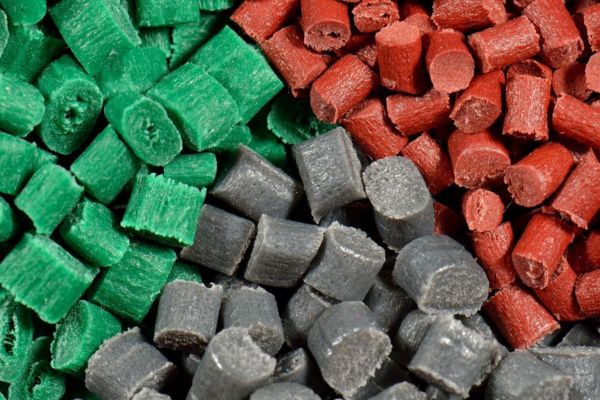
Plastic granules, also known as plastic pellets, are the fundamental raw materials used in the manufacturing of a wide range of plastic products. From everyday household items to complex industrial components, plastic granules play a vital role in shaping the modern world. What Exactly Are Plastic Granules? Plastic granules are small, uniform, bead-like particles made from polymers such as polypropylene (PP), polyethylene (PE), or polystyrene (PS). These granules are processed and molded into finished products using various manufacturing techniques. Their consistent size, shape, and composition make them ideal for efficient and high-quality production. Types of Plastic Granules 1. Virgin Plastic Granules These are newly manufactured granules made directly from petrochemical feedstock. High purity and quality Superior strength and durability Ideal for premium applications 2. Recycled Plastic Granules Produced by reprocessing plastic waste materials. Cost-effective Environmentally friendly Suitable for non-critical applications 3. Engineering Plastic Granules Specially designed for high-performance applications. Heat resistance Chemical resistance Enhanced mechanical properties Common Materials Used Polypropylene (PP): Lightweight, durable, and widely used in packaging, automotive, and furniture Polyethylene (PE): Flexible and moisture-resistant, ideal for bags, films, and containers Polystyrene (PS): Rigid and lightweight, commonly used in packaging and disposable products How Are Plastic Granules Used? Plastic granules are melted and molded into different shapes using processes such as: Injection molding Blow molding Extrusion Rotational molding These processes allow manufacturers to create everything from small precision parts to large industrial products. Key Benefits of Plastic Granules Consistency: Uniform size ensures smooth processing Efficiency: Reduces machine downtime and defects Versatility: Suitable for a wide range of applications Cost-Effective: Optimizes production and reduces waste Why Quality Matters The quality of plastic granules directly impacts the final product. Poor-quality granules can lead to: Surface defects Weak structural integrity Increased rejection rates Higher production costs High-quality granules, on the other hand, ensure better finish, strength, and overall performance.

What Are Plastic Granules? Read More »