
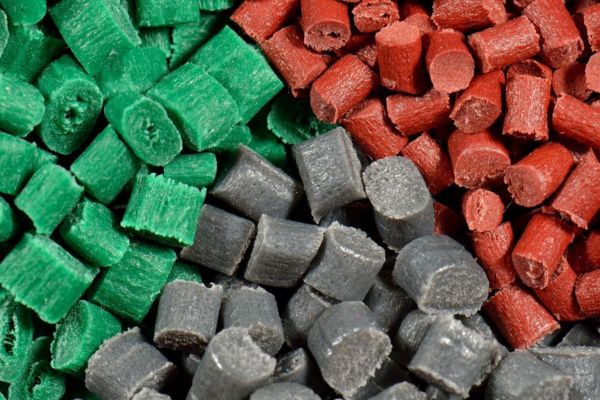
In the plastic manufacturing industry, choosing the right material is crucial for product performance, durability, and cost efficiency. Among the most commonly used plastics are Polypropylene (PP), High-Density Polyethylene (HDPE), and Low-Density Polyethylene (LDPE).
Each material has unique properties that make it suitable for specific applications. Let’s break down the differences.
What is Polypropylene (PP)?
Polypropylene (PP) is a versatile thermoplastic known for its strength, lightweight nature, and resistance to heat and chemicals.
Key Features:
- High melting point
- Excellent chemical resistance
- Strong and rigid
- Fatigue-resistant (ideal for hinges)
Common Applications:
- Automotive components
- Furniture
- Packaging containers
- Medical products
What is HDPE (High-Density Polyethylene)?
HDPE is a strong and durable plastic with a high strength-to-density ratio, making it ideal for heavy-duty applications.
Key Features:
- High impact resistance
- Excellent moisture resistance
- Strong and sturdy
- Good chemical resistance
Common Applications:
- Water tanks
- Pipes
- Industrial containers
- Bottles
What is LDPE (Low-Density Polyethylene)?
LDPE is a softer and more flexible plastic, widely used where flexibility and transparency are required.
Key Features:
- Highly flexible
- Lightweight
- Good moisture resistance
- Lower strength compared to HDPE
Common Applications:
- Plastic bags
- Films and wraps
- Squeeze bottles
- Packaging materials
PP vs HDPE vs LDPE: Quick Comparison
| Property | PP | HDPE | LDPE |
|---|---|---|---|
| Strength | High | Very High | Moderate |
| Flexibility | Moderate | Low | High |
| Heat Resistance | High | Moderate | Low |
| Density | Low | High | Low |
| Durability | High | Very High | Moderate |
| Transparency | Low | Low | Moderate |
Which One Should You Choose?
- Choose PP when you need heat resistance and durability
- Choose HDPE for strength and heavy-duty applications
- Choose LDPE for flexibility and lightweight usage
Why Material Selection Matters
Selecting the right plastic material directly impacts:
- Product performance
- Manufacturing efficiency
- Cost optimization
- Product lifespan
Using the wrong material can lead to product failure, higher rejection rates, and increased costs.